



Walker Art Center Closes for Minneapolis General Strike as ICE Operations Spur Fear Across the Twin Cities
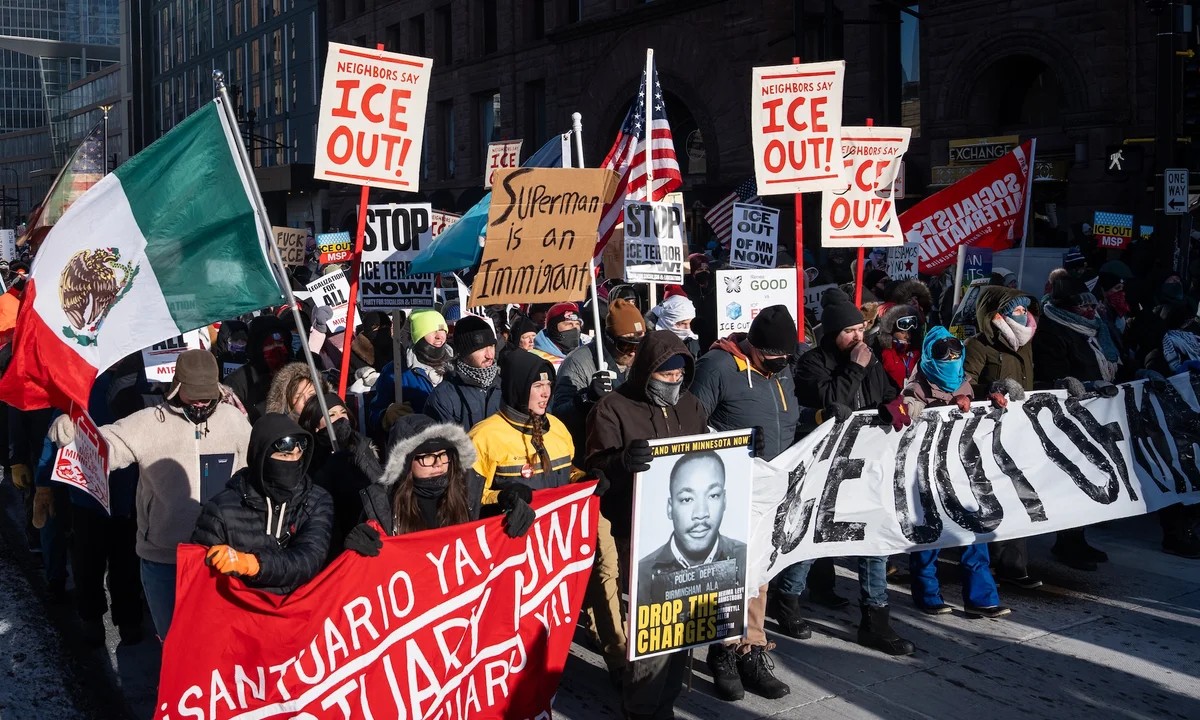
As anxiety rippled through Minneapolis and St. Paul amid heightened Immigration and Customs Enforcement (ICE) activity, the Walker Art Center took an unusual step for a major museum: it shut its doors on January 23 in solidarity with a citywide general strike called “A Day of Truth and Freedom.”
The closure came as many residents, “regardless of immigration or citizenship status,” stayed home out of fear of being stopped, detained, or confronted with force. Schools, the Walker noted, moved to virtual or hybrid models in an effort to keep students from falling further behind. In that climate, the museum framed its decision as part of a broader civic responsibility: sometimes, it argued, supporting a community means pausing normal operations.
In a statement describing the museum’s response, the Walker positioned itself as a “welcoming, civic space” grounded in “dignity, respect and care,” and urged museums and cultural organizations to recognize their role in bringing people together, whether as a refuge during crisis or as a platform for collective action.
Even as it closed for the strike, the Walker emphasized that it has largely remained open in recent weeks, inviting the public to gather across its galleries, cinema and theater, and art-making lab. The museum cited a slate of programs offered during the period of uncertainty: film screenings; an event with poet and activist Layli Long Soldier; and beading workshops led by Indigenous makers, organized in conjunction with the exhibition “Dyani White Hawk: Love Language.”
The Walker also pointed to practical support beyond its walls. Its learning and engagement team assembled more than 1,000 art-making kits for distribution through after-school programs, while staff worked directly to reach families affected by the disruption.
The museum described these efforts as part of a larger belief in art’s capacity to help people metabolize difficult realities. Connecting with art — and with one another — can reduce loneliness, offer moments of respite, and create space for “hope and inspiration,” the statement said.
The days around the strike were marked by additional trauma. The Walker noted that on January 24, Alex Pretti was killed. That evening, the museum presented Nile Harris’s performance work “this house is not a home,” opening the building to those who wanted to gather. The Walker described the atmosphere as one of “commitment and resilience.”
At the center of the museum’s message was a claim that presence alone is not enough. To meet its civic obligations, the Walker argued, it must earn “welcome, comfort and trust” — and that requires acknowledging the lived realities of neighbors and responding in ways that feel relevant.
The museum said it has spent years building partnerships with community organizations, and that those relationships have deepened over the past six years through initiatives including artist and educator residencies, curatorial mentorships, and co-produced programs. Such reciprocal ties, it argued, are what make a museum more than a destination — and instead an institution woven into the daily life of its city.
The Walker’s decision underscores a broader shift in how American museums define public service: not only as access to collections and exhibitions, but as a commitment to civic space — one that can, when necessary, “show up” by shutting down.