


A Belgian gallery in the Flemish Ardennes is betting that the future of viewing art may depend on slowing down.
Set across more than three acres of renovated farm buildings — including stables, barns, and a farmhouse — Verduyn offers nearly 5,000 square feet of exhibition space, plus a sculpture garden that folds into the surrounding landscape. Founded by Stefanie Verduyn, the gallery was shaped in part by time she spent in rural Argentina, and its program reflects that mix of local rootedness and international reach.
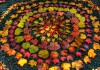
At present, Verduyn is showing four solo exhibitions alongside a group presentation, a lineup that would feel ambitious in a major city and unusually expansive in a rural setting. Esther Janssen’s “Stages of Flowering” presents meticulously rendered landscapes that initially read as calm retreats, then reveal a more disquieting undercurrent of inadequacy and the uncanny. Guust Mathys’s “Take A Closer Look” turns the experience of discovering a new city into sculptural form, balancing playfulness with a faint sense of unreality.
Alberto Lamback’s “Quietude” takes a more reflective route, using a layered multimedia process to consider not only what images depict, but how they are made. Renée Pevernagie’s “Shadow Work” brings a research-driven approach to questions of transience and impermanence. The group exhibition “Al di là” gathers artists working in the space between memory and imagination, extending the gallery’s interest in works that reward sustained looking.
That emphasis is central to Verduyn’s identity. The gallery is designed less as a stop on an art-world itinerary than as a destination for conversation, shared meals, and extended attention. In an art calendar often shaped by speed, spectacle, and constant turnover, Verduyn proposes a different rhythm — one in which hospitality, landscape, and exhibition-making are treated as part of the same experience.